In the fast-evolving digital marketplace, ecommerce businesses are no longer competing only on products or pricing—they are competing on experience. The way a website looks, feels, and functions directly impacts how users engage and whether they convert into customers.
Studies show that 75% of users judge a brand’s credibility based on its website design
This makes ecommerce website design one of the most critical investments for businesses in 2026. As competition increases, brands are turning to professional ecommerce web design services to create seamless, high-performing online stores that not only attract visitors but also drive sales.
Key Insights to Know
Ecommerce website design today is driven by performance, personalization, and user experience. Businesses investing in modern design approaches are consistently seeing better engagement and higher conversions.
Key takeaways include:
- Mobile-first experience is essential
- Speed directly impacts conversions
- Personalization increases sales
1. Mobile-First Design is Leading the Way
With the majority of users shopping through smartphones, mobile-first design has become the foundation of ecommerce success. Websites that are not optimized for mobile devices risk losing a significant portion of their audience.
Over 60% of global website traffic now comes from mobile devices
This shift has forced businesses to rethink how their ecommerce platforms are built. A responsive design ensures that the website adapts seamlessly to different screen sizes, providing a consistent user experience.
Businesses working with a professional ecommerce website design agency are focusing on:
- Simplified navigation
- Faster mobile loading
- Easy checkout process
2. Speed Optimization is Directly Impacting Conversions
Website speed is no longer just a technical factor—it is a critical business metric. A slow website can lead to frustration and immediate drop-offs.
53% of users abandon a website if it takes more than 3 seconds to load
Modern ecommerce websites are designed with performance in mind, ensuring quick load times and smooth browsing experiences. Even a small delay can impact user engagement and sales.
3. Personalized Shopping Experiences Are Driving Engagement
Customers today expect brands to understand their preferences and offer tailored experiences. Personalization helps create a more relevant and engaging shopping journey.
80% of consumers are more likely to purchase from brands that offer personalized experiences
This includes features like product recommendations, dynamic content, and personalized offers. These elements not only enhance user satisfaction but also improve conversion rates.
4. Minimalist and Clean UI is Improving User Experience
Modern ecommerce websites are moving toward clean, simple, and distraction-free designs. Instead of overwhelming users with too many elements, brands are focusing on clarity and usability.
A minimalist interface helps users navigate easily, find products faster, and complete purchases without confusion. This approach improves both user experience and overall performance.
5. Advanced Checkout Experiences Are Reducing Cart Abandonment
The checkout process is one of the most sensitive stages in the ecommerce journey. A complicated process often leads to abandoned carts.
The average cart abandonment rate is nearly 70% across ecommerce websites
To improve conversions, businesses are simplifying the checkout experience. This includes reducing steps, offering guest checkout, and providing multiple payment options.
6. Integration of AI and Automation in Ecommerce Design
Artificial intelligence is playing a major role in enhancing ecommerce website functionality. From chatbots to automated recommendations, AI is helping businesses create smarter and more interactive platforms.
Some common applications include:
- AI-powered chat support
- Smart product recommendations
These features improve user engagement and make the shopping experience more efficient.
7. Visual Content and Interactive Design Are Boosting Engagement
Visual appeal is a key factor in ecommerce success. High-quality images, videos, and interactive elements help capture attention and build trust.
Modern ecommerce websites use:
- Product videos
- 360-degree views
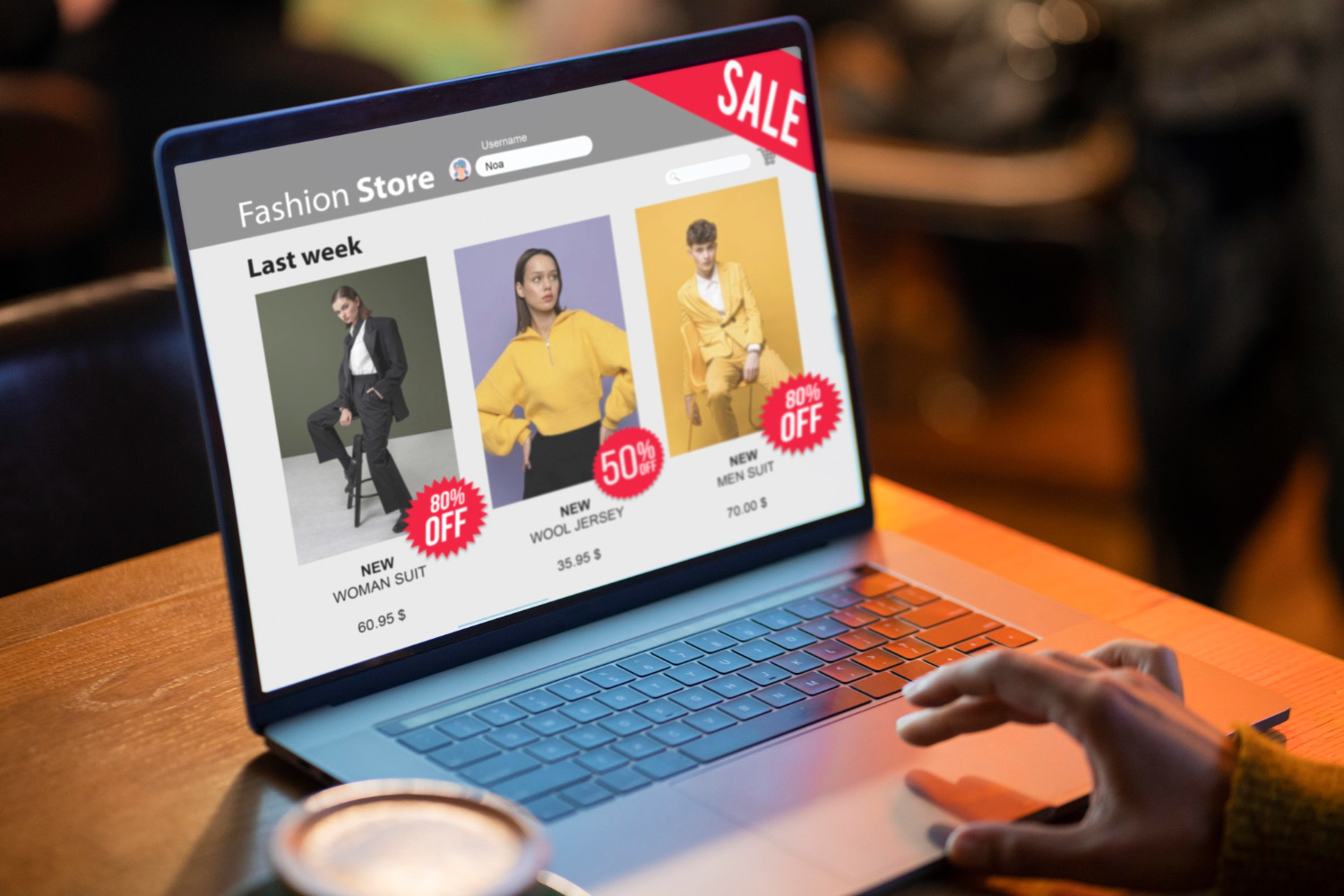
[Insert image: Modern ecommerce product page with interactive visuals]
These elements not only enhance the user experience but also help customers make informed purchase decisions.
8. SEO-Friendly Design is Driving Long-Term Growth
A well-designed ecommerce website must also be optimized for search engines. SEO-friendly design ensures better visibility and consistent traffic.
Important elements include:
- Fast loading speed
- Mobile responsiveness
Businesses investing in ecommerce web design services often benefit from a strong combination of design and SEO strategy.
What These Trends Mean for Your Business
The ecommerce landscape is becoming more competitive, and businesses that adapt to these trends are gaining a clear advantage. A well-designed website is no longer just a digital presence—it is a powerful tool for growth.
A modern ecommerce website can:
- Build trust and credibility
- Improve customer engagement
- Increase conversion rates
If your current website is outdated or underperforming, it may be time to upgrade. Partnering with an experienced ecommerce website design agency can help you implement these trends effectively and stay ahead in the market.
Conclusion
Ecommerce website design in 2026 is centered around creating seamless, engaging, and high-performing user experiences. Businesses that invest in modern design trends are seeing better engagement, stronger customer relationships, and increased sales.
As digital competition continues to grow, having a well-designed ecommerce platform is essential for success. Investing in professional ecommerce web design services can help your business stay ahead and achieve long-term growth.
FAQs
What is ecommerce website design?
Ecommerce website design focuses on creating online stores that provide a smooth and engaging shopping experience.
Why is mobile-first design important?
Most users access ecommerce websites through mobile devices, making mobile optimization essential.
How does website speed affect sales?
Faster websites reduce bounce rates and improve conversions.
What are the latest ecommerce design trends?
Key trends include personalization, fast loading speeds, AI integration, and minimalist design.
How can an ecommerce website design agency help?
They help create optimized, user-friendly, and high-converting ecommerce platforms.